How often should you service gym equipment? A guide for schools, hotels, corporate and gyms
Equipment breakdowns aren't just inconvenient, they're costly. Out of order machines damage reputation, frustrate users, and waste your investment. Regular maintenance prevents this entirely, extending equipment lifespan by up to 40% whilst keeping machines reliable when you need them most.
But maintenance frequency varies significantly depending on your sector and usage patterns.
Schools: once per term
Secondary schools should schedule maintenance during holiday periods, typically once per term. This timing avoids disrupting PE lessons or crucial weeks before tournaments and competitions.
Benefits: Equipment is in peak condition during heavy training periods, directly supporting improved sports performance. Maintained equipment is safer equipment, reducing injury risk. Well-functioning facilities impress parents considering school choice.
Hotels: quarterly servicing
Hotels benefit from quarterly maintenance, ideally scheduled during quieter periods. With guests expecting premium amenities, reliable fitness facilities directly influence star ratings and repeat bookings.
Benefits: Guests experience reliable workouts and are more likely to return and recommend your hotel. You reduce liability risk from guest injuries on faulty equipment. Consistent maintenance prevents reputation damage from negative reviews about broken machines.
Corporate facilities: quarterly
Corporate gyms should schedule quarterly servicing to align with business schedules. A typical office gym serving 50-200 staff daily justifies this frequency.
Benefits: When employees know equipment is reliable, they use facilities more frequently, improving health outcomes and job satisfaction. Well-maintained facilities signal that management values staff wellbeing, improving retention. Consistent uptime prevents the gym becoming an underutilised waste of investment.
Commercial gyms: Monthly to quarterly
Most commercial gyms need either monthly or quarterly servicing depending on usage intensity. A busy urban gym with 500+ active members typically requires monthly maintenance. Industry professionals recommend servicing every 250 hours of equipment use, so calculate based on your daily operating hours and membership size.
Benefits: Reliable equipment directly determines member satisfaction and retention. Out of order signs during peak hours damage reputation and drive cancellations. You protect revenue by ensuring machines are always available when members expect them.
What happens during professional servicing
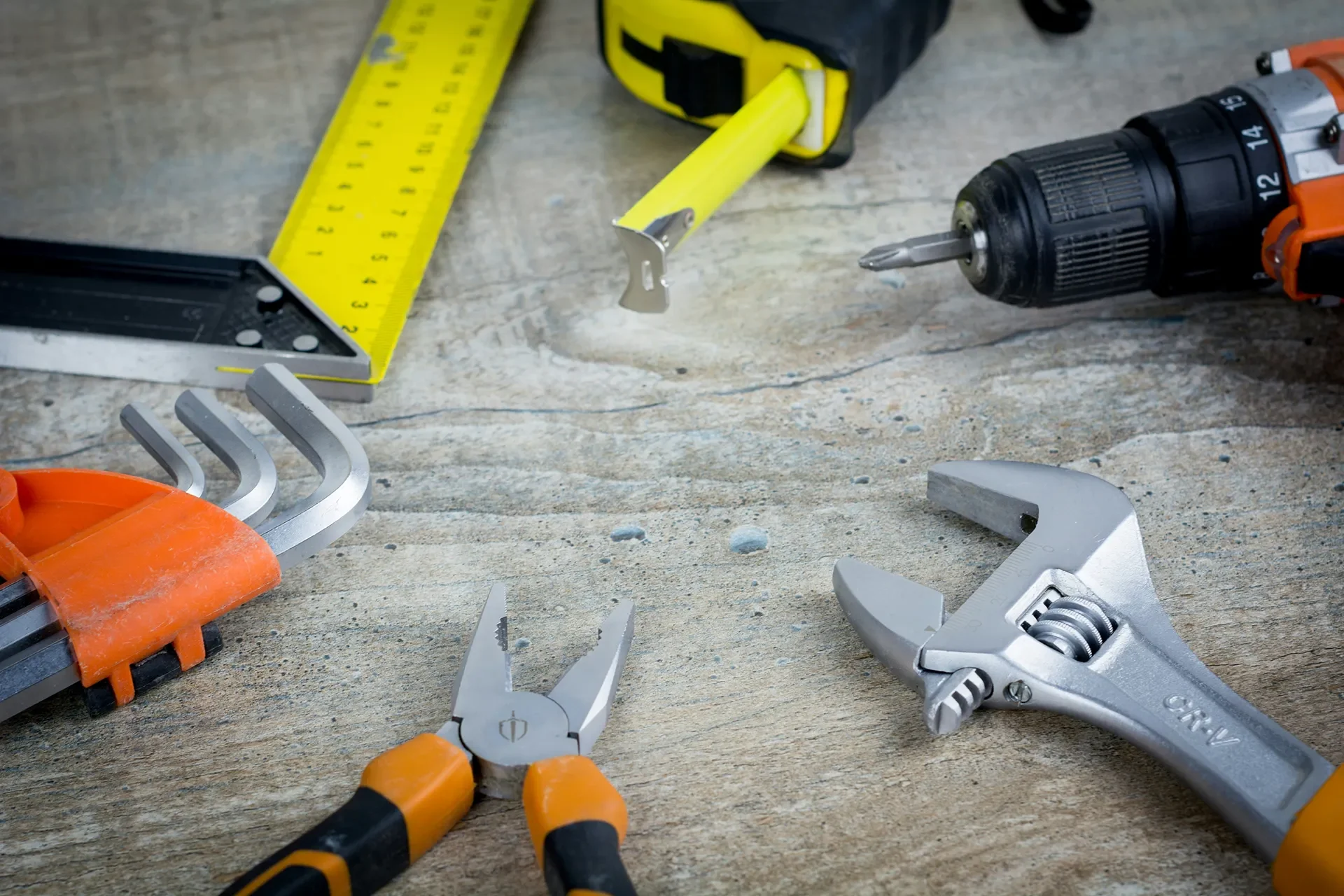
During maintenance visits, technicians inspect cables for wear, verify weight stacks move smoothly, test safety mechanisms, lubricate moving parts, and replace worn components before they cause failure. They provide detailed reports so you understand what was serviced and what parts were replaced, helping you plan for future maintenance.
Between professional visits, establish simple daily and weekly routines. Daily: wipe down equipment to remove corrosive sweat and body oils. Weekly: inspect for loose bolts, frayed cables, or unusual noises.
The cost of skipping maintenance
Equipment that isn't maintained breaks down more frequently, stays out of service longer, requires expensive emergency repairs, and has a much shorter overall lifespan. A £4,000 treadmill that lasts 10 years with maintenance might only last 6 years without it. Factor in lost revenue, member frustration, liability concerns, and reputation damage, and maintenance costs far less than neglect.
Getting started with Fit Hire
Whether you need advice on scheduling, want to arrange professional servicing for your facility, or have questions about equipment care, Fit Hire's team understands the specific maintenance needs of schools, hotels, corporate facilities, and commercial gyms.
Contact us on 01730 825050, email mail@fithire.com, or visit our servicing page to discuss your maintenance needs and arrange a consultation.